Patek Philippe Nautilus: The Porthole That Became the Waiting List
A connected history of the Nautilus, from the 1976 steel 3700 Jumbo and its ship's-porthole case to mid-size and ladies' branches, the 5711 phenomenon, complicated Nautilus references, and the white-gold 5811 successor.
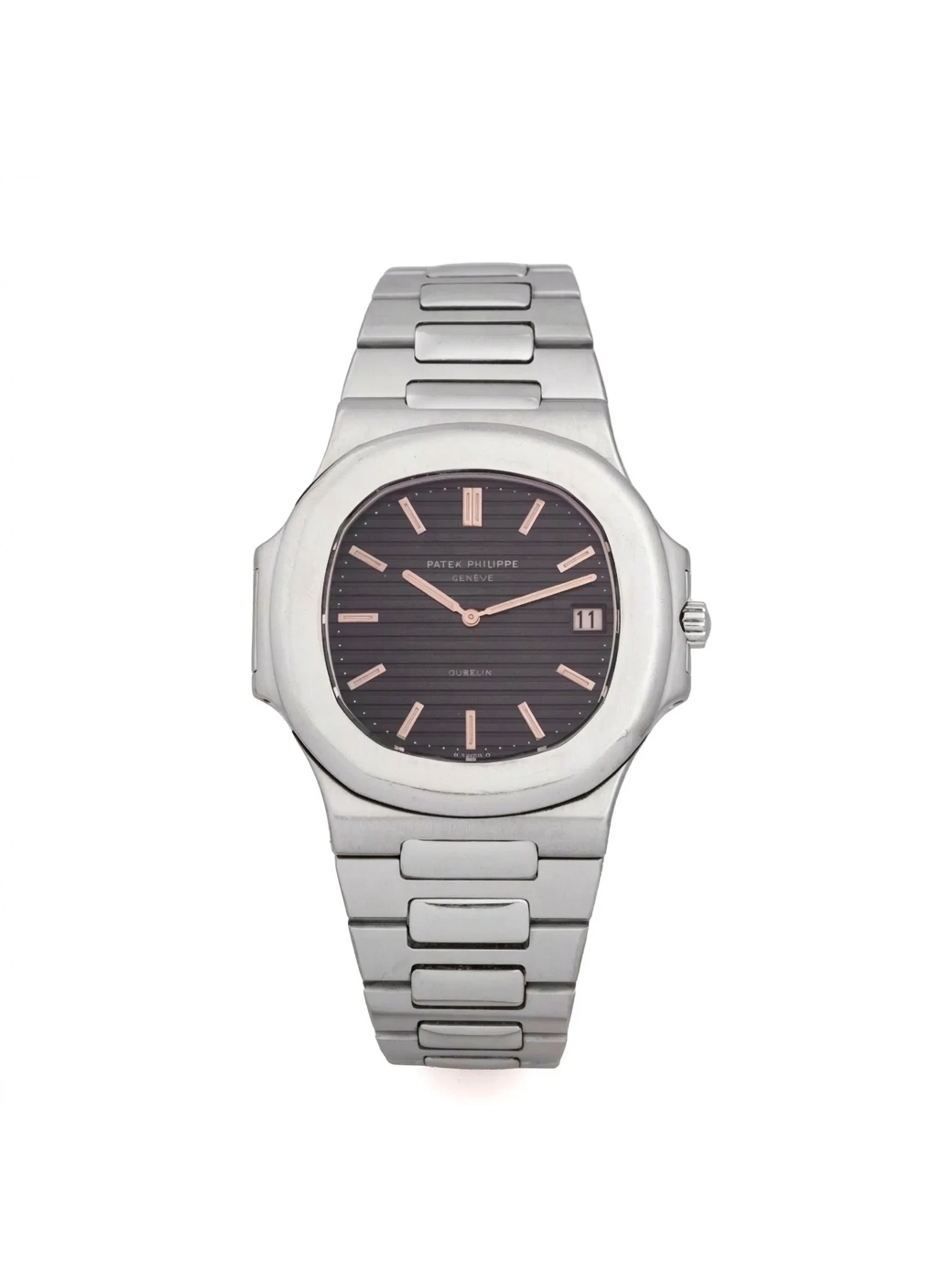
The Nautilus began as Patek Philippe's deliberately surprising answer to a new luxury mood: a large, thin, stainless-steel sports watch with a case inspired by a ship's porthole. The 3700 made the contradiction feel coherent: sporty, expensive, mechanical, and unmistakably Patek.
The early Nautilus did not stay a single Jumbo for long. Patek Philippe stretched the design into mid-size, quartz, and smaller references, proving that the rounded octagon, side hinges, horizontal dial, and bracelet could support a broader collection.
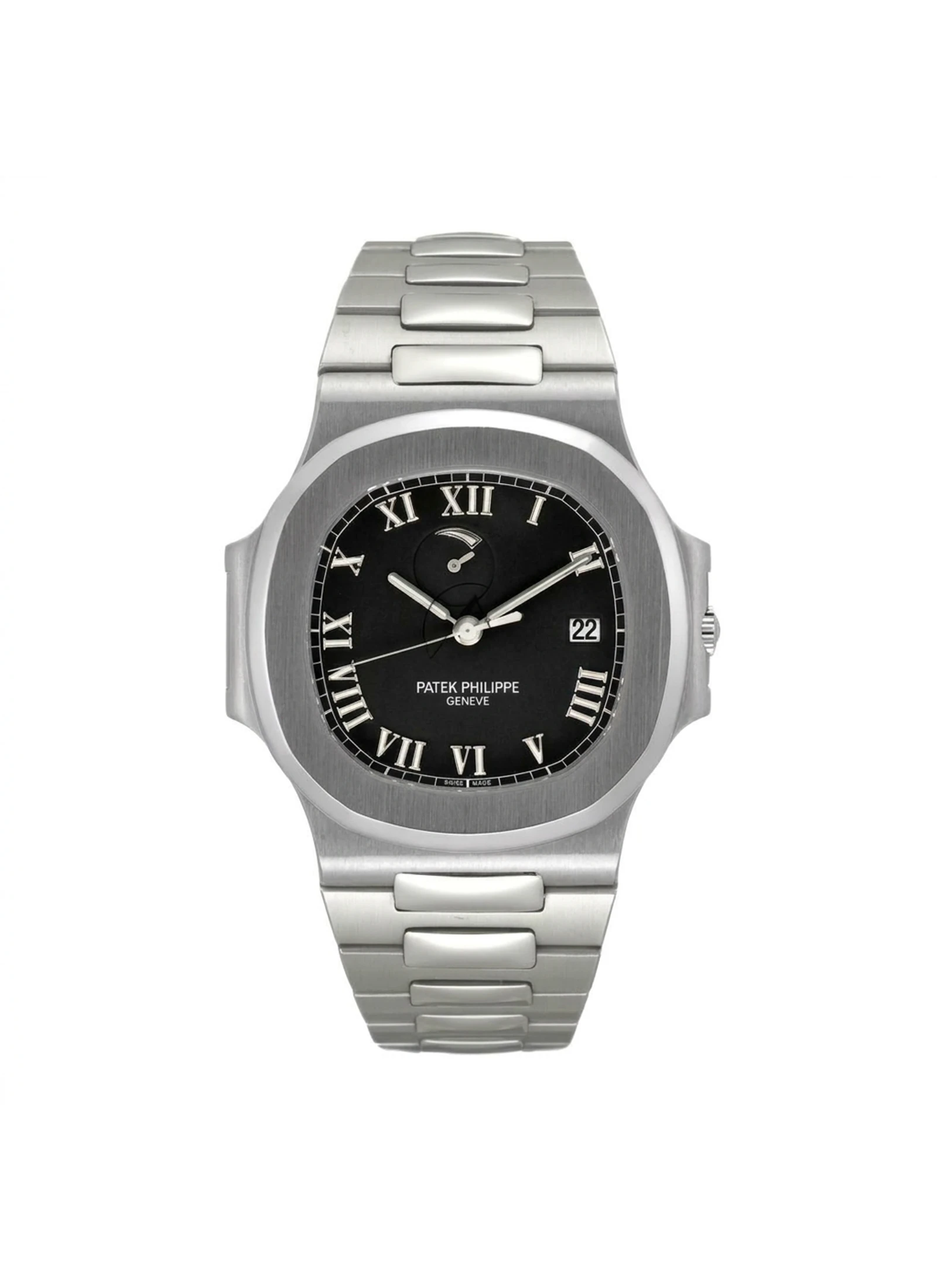
The 3710 added Roman numerals and a power-reserve display, while the short-lived 3711 and 3712 bridged old Nautilus proportions with the modern era. The family was becoming more mechanically expressive without losing its porthole silhouette.
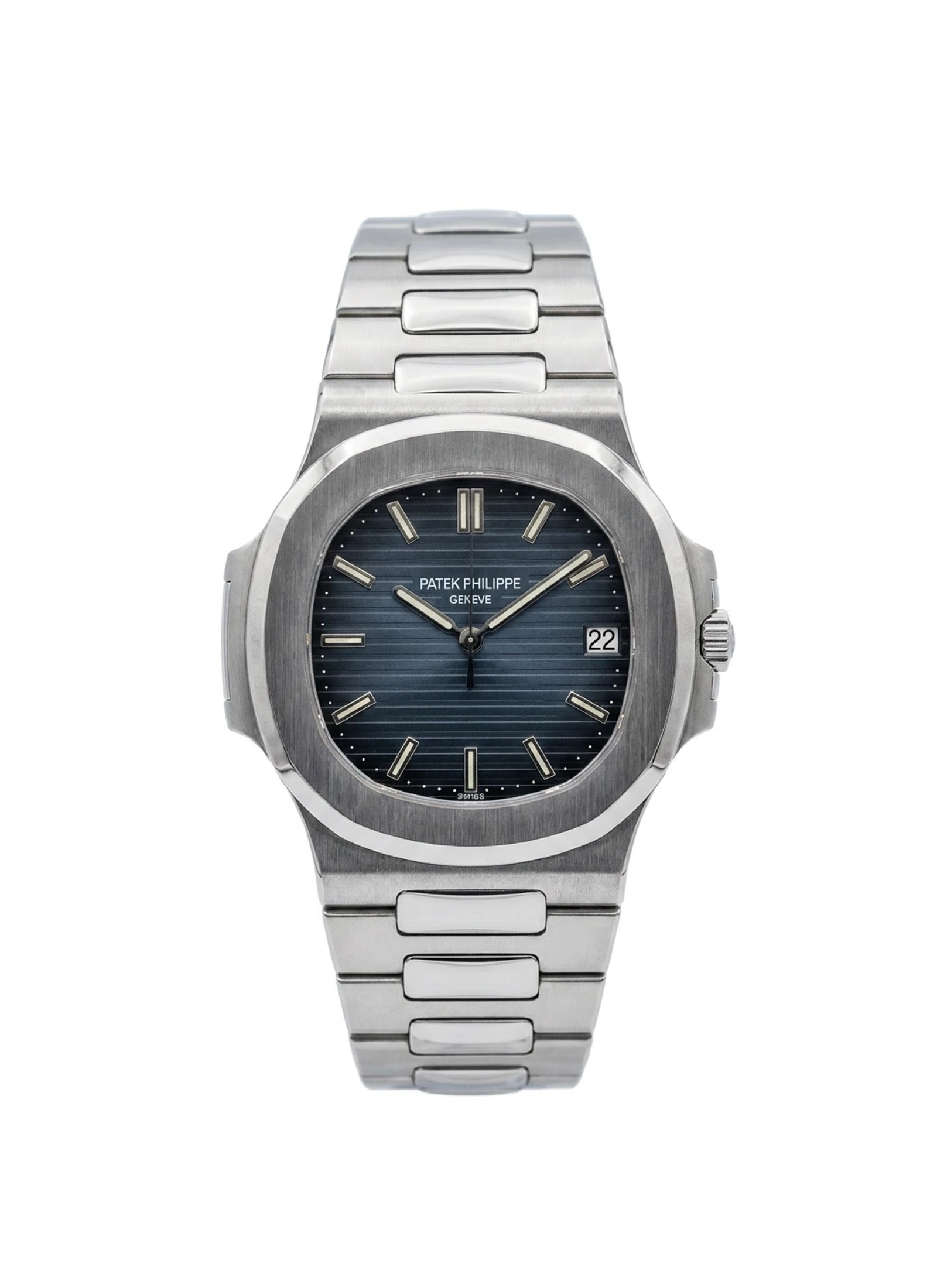
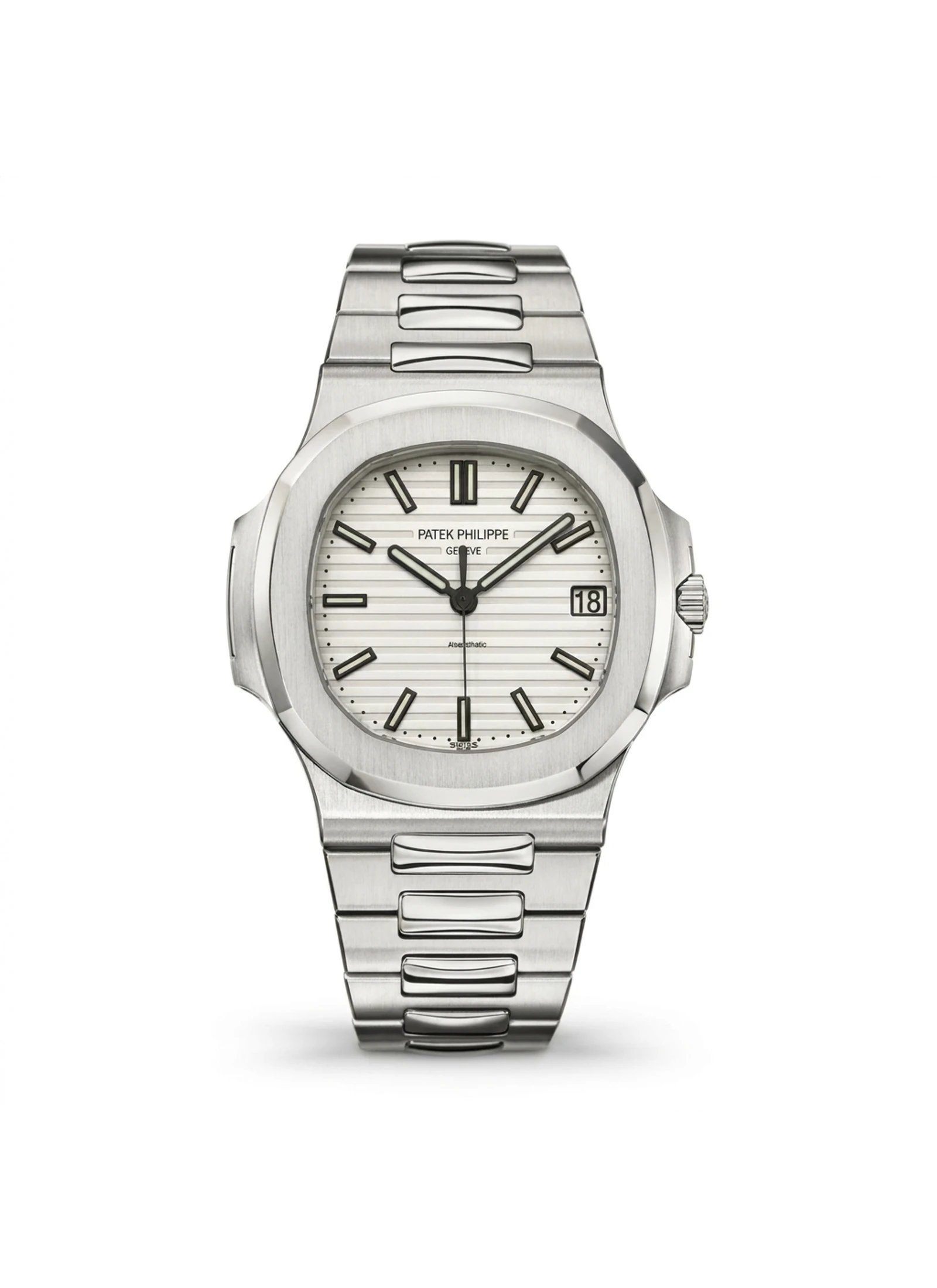
Launched for the Nautilus's 30th anniversary, the 5711 updated the time-and-date Jumbo for a collector culture that was ready for steel sports watches as grails. By the late 2010s, it had become the most legible symbol of modern Patek scarcity.
The 5712, 5726, and 5740 show the Nautilus as a platform for Patek mechanics: asymmetric moon-phase displays, annual calendars, and the collection's first Grand Complication perpetual calendar. The case stayed sporty, but the dial became unmistakably Patek Philippe.
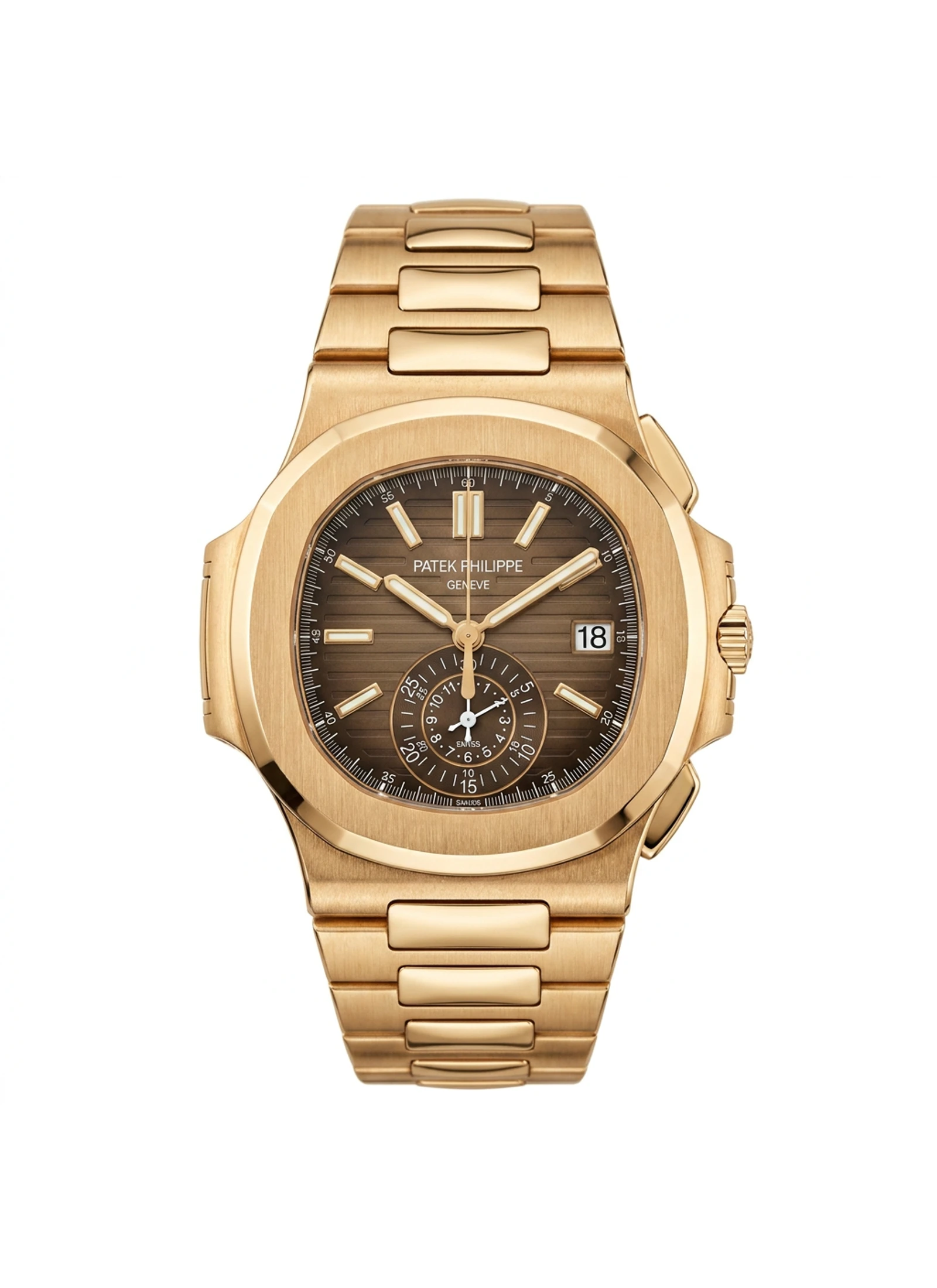
The 5980 brought a flyback chronograph with a distinctive monocounter, and the 5990 layered Travel Time onto the idea. These references pushed the Nautilus toward practical complication while keeping the collection's broad, horizontal stance.
The end of the 5711 turned the Nautilus from difficult to mythical: green, diamond-set, platinum, and Tiffany-linked farewell references became market events. The 5811 then returned the time-and-date Jumbo idea in white gold, with a two-part case that nods back to the 3700.
The Nautilus matters because it arrived from a house people associated with elegant, complicated, often precious-metal watches and proposed almost the opposite: a steel sports watch, large for its time, on an integrated bracelet.
But the move was not casual. The original 3700 translated Patek's taste for restraint into another material language. The watch was not loud because of decoration; it was loud because its case architecture, thinness, brushed planes, and bracelet finishing made steel feel aristocratic.
A cleared catalog visual of Nautilus anchors this chapter to a specific watch reference.
A Nautilus is not just a bezel shape. It is the rounded octagon, the side hinges or ears, the horizontally embossed dial, the broad integrated bracelet, and the rhythm between satin brushing and polished accents.
That code is why smaller and quartz-adjacent early references still read as Nautilus. A 3800, 3900, or 4700 changes the scale and audience, but the family grammar remains clear enough to connect back to the Jumbo.
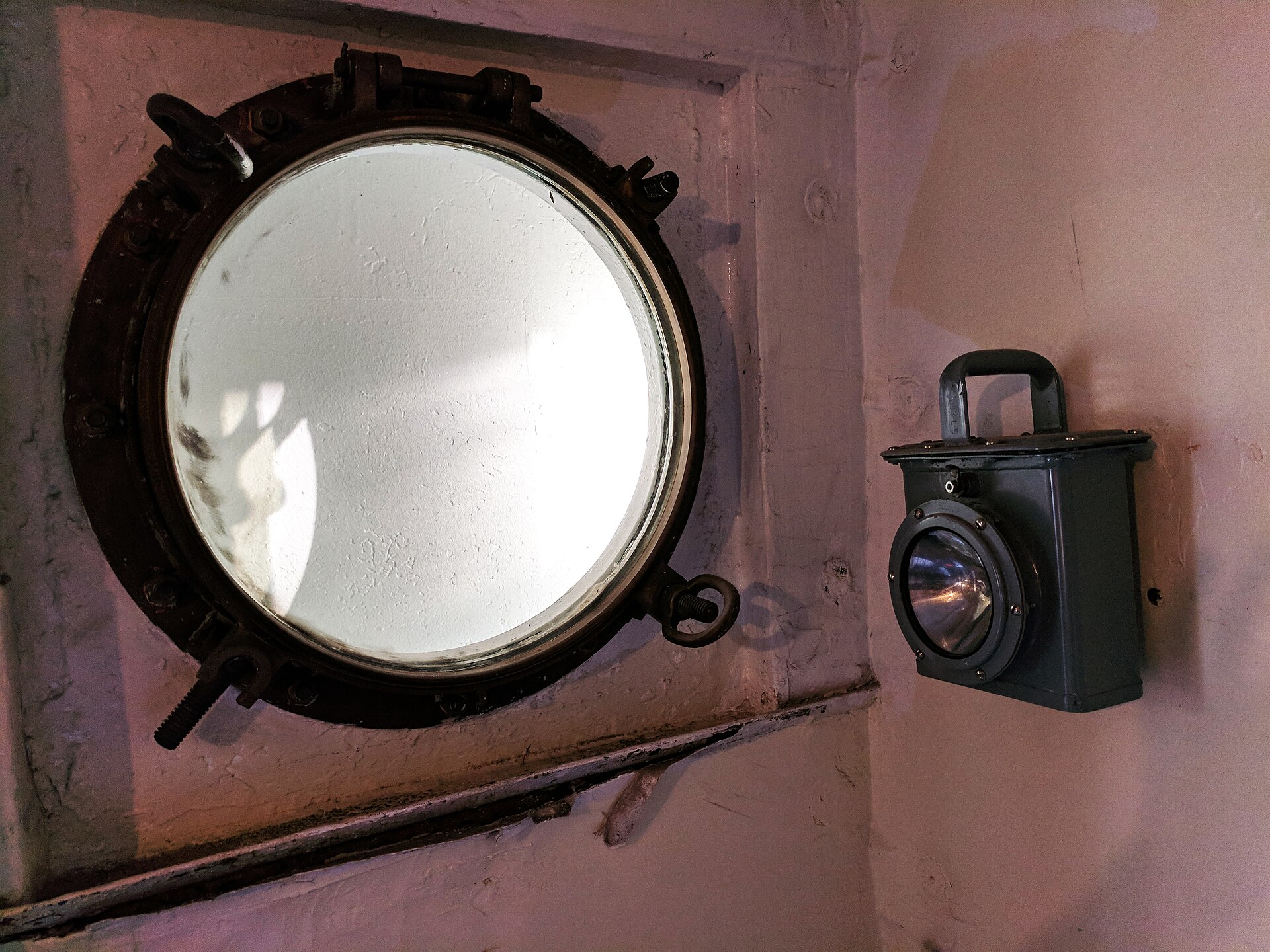
A cleared catalog visual of Nautilus anchors this chapter to a specific watch reference.A ship porthole makes the Nautilus case logic easier to read: rounded octagon, side hinges, and an industrial marine metaphor translated into luxury watch form. Mary Browlee / Wikimedia Commons - CC BY-SA 4.0
The late 1990s made the Nautilus mechanically expressive
The 3710 changed the mood by adding Roman numerals and a power-reserve display. It is still recognizably Nautilus, but it begins to pull the watch away from pure time-and-date minimalism.
The 3711 and 3712 sharpen that transition. One keeps the Jumbo idea alive in white gold; the other opens the door to the asymmetrical complication layout that would become central to the 5712.
A cleared catalog visual of Nautilus anchors this chapter to a specific watch reference.
The 5711 turned a watch into a market weather system
The 5711 is the modern Nautilus most people picture: slim, simple, blue-black, date at three, bracelet fully integrated into the case. It was introduced in 2006, but its meaning changed as the market around steel luxury sports watches intensified.
By the late 2010s, the story was no longer only design. It was allocation, waiting lists, celebrity visibility, secondary-market premiums, and the strange way scarcity can turn a reference number into a cultural shorthand.
A cleared catalog visual of Nautilus anchors this chapter to a specific watch reference.
The complications never erased the sports-watch silhouette
The 5712 is one of the great Nautilus contradictions: a sporty integrated-bracelet case with a poetic, off-balance dial carrying moon phases, power reserve, date, and small seconds.
The 5726 annual calendar and 5740 perpetual calendar make the point more forcefully. Patek can put serious calendar mechanics into the Nautilus without turning it into a dress watch. The porthole remains the frame.
The 5980 and 5990 made it a practical complication watch
The chronograph branch gives the Nautilus a different kind of density. The 5980's monocounter is instantly recognizable, gathering elapsed minutes and hours into one subdial rather than scattering the dial into a conventional tri-register layout.
The 5990 adds Travel Time and local-date logic, which makes the Nautilus feel more like a travel instrument without becoming a tool watch in the blunt sense. It remains polished, expensive, and highly finished.
When the 5711 left the regular catalogue, the exit itself became a chapter: olive green, gem-set steel, platinum anniversary echoes, and the Tiffany-linked finale turned discontinuation into horological theater.
The 5811 is Patek's calmer answer. It continues the time-and-date Nautilus in white gold and returns to a two-part case construction, making the successor feel less like a replacement and more like a deliberate reset after the loudest collector cycle in the model's history.