IWC Pilot Mark: The Tool Watch That Learned to Live on the Ground
A connected history of the IWC Pilot Mark lineage, from the RAF Mark 11 and the soft-iron anti-magnetic brief to the civilian Mark XII, Mark XV, Mark XVI, Mark XVII, Mark XVIII, Tribute to Mark XI, and the current Mark XX.
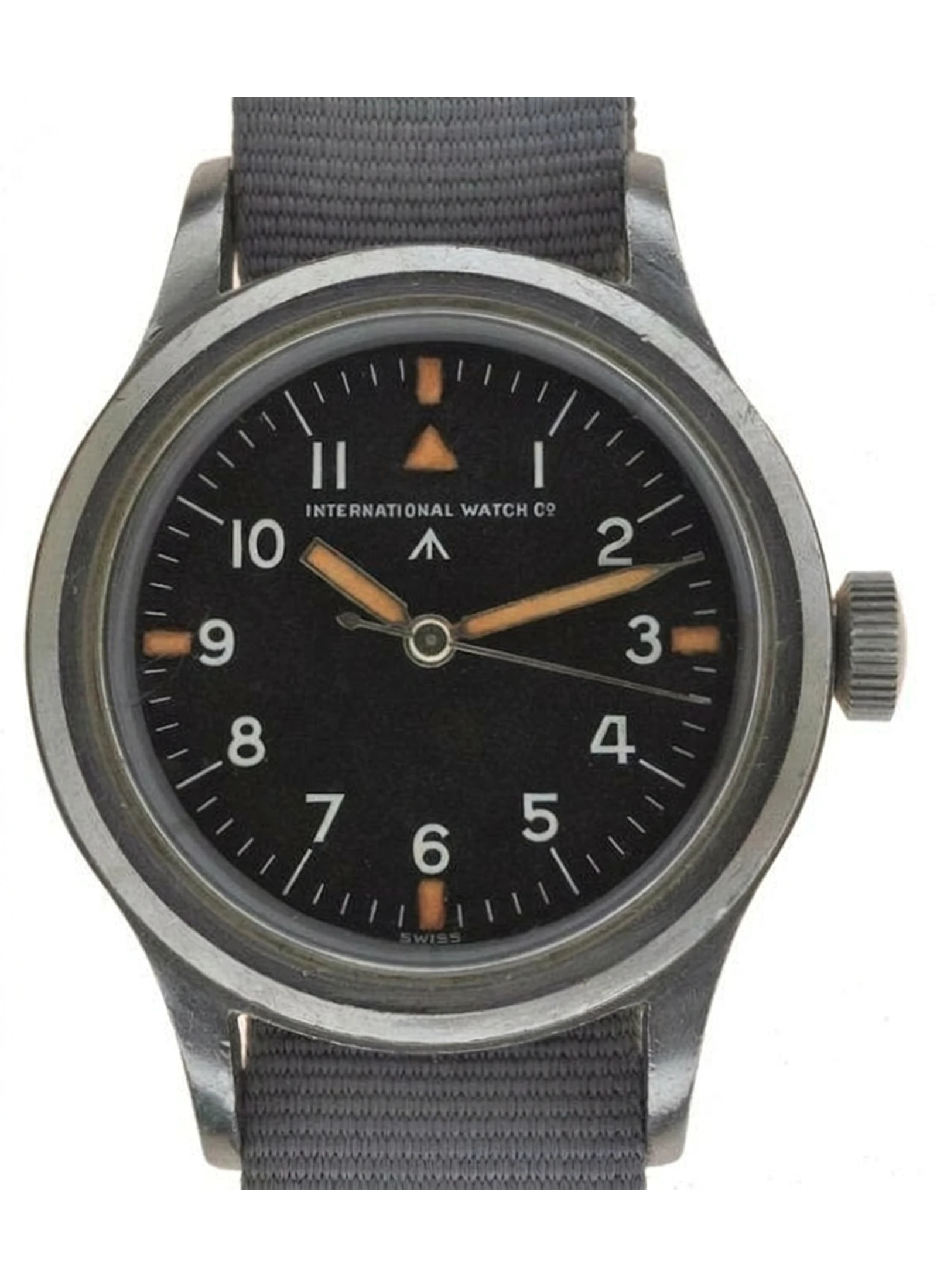
The Mark story becomes canonical with the Mark 11, built for the British Royal Air Force as a highly legible, accurate, anti-magnetic navigation watch. Stores Ref. 6B/346 turned a military specification into the template for IWC's later civilian Pilot Mark watches.
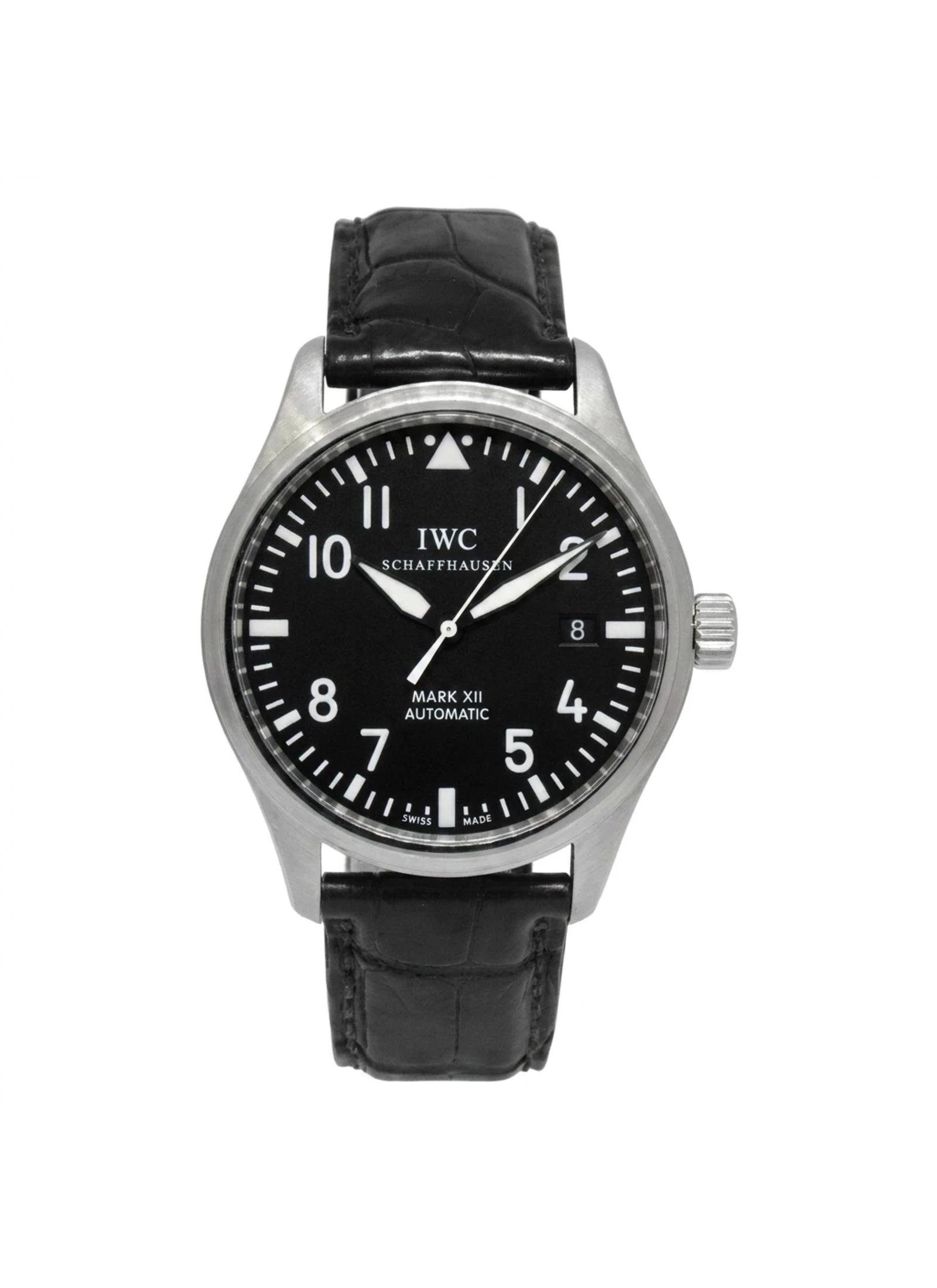
In 1994, IWC revived the Mark idea for civilians with the Mark XII. It borrowed the Mark 11's restraint but added an automatic movement and date, translating a military instrument into a refined daily watch.
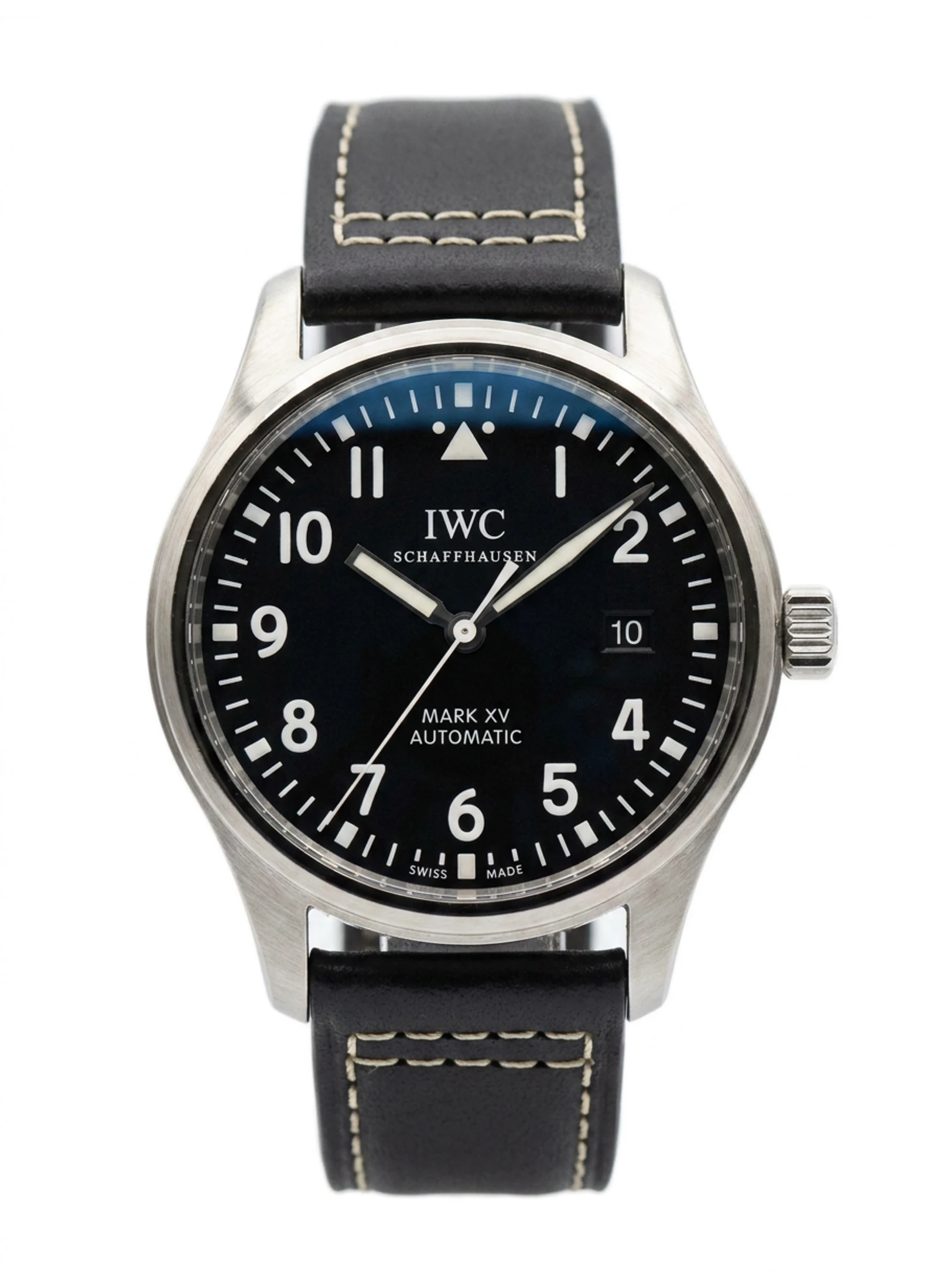
The Mark XV arrived in 1999 and made the lineage feel more contemporary. Its larger 38 mm case and cleaner everyday posture helped move the Mark from military echo to modern IWC staple.
Mark XVI pushed the series toward a more unified modern Pilot's Watch look. The dial lost some older numeral cues, the case grew to 39 mm, and the watch became more visibly connected to IWC's broader aviation collection.
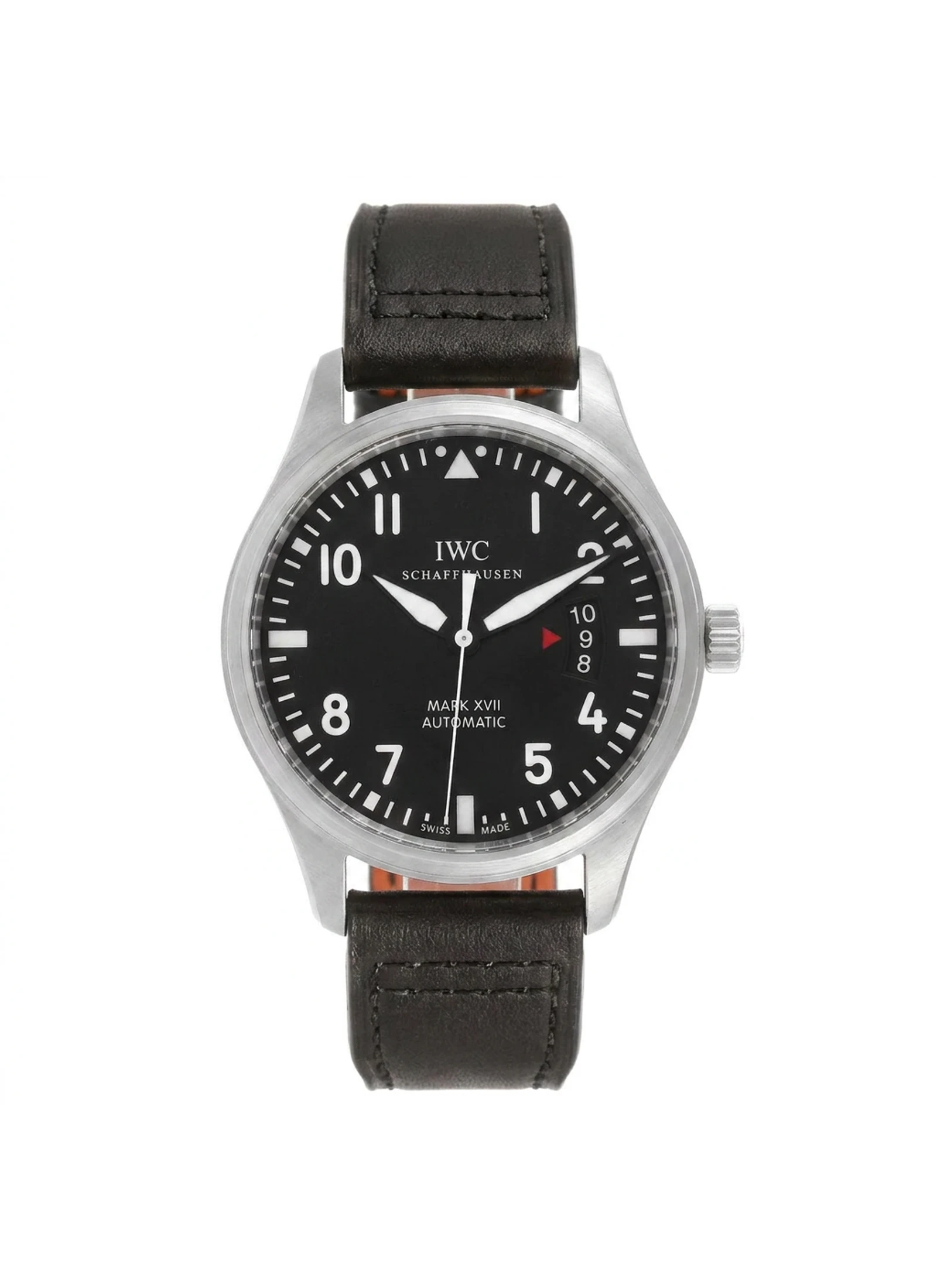
Mark XVII stretched the idea to 41 mm and gave the date a cockpit-instrument style display. It is the loudest mainline Mark, useful because it shows the limits of scaling a watch whose strength is clarity and balance.
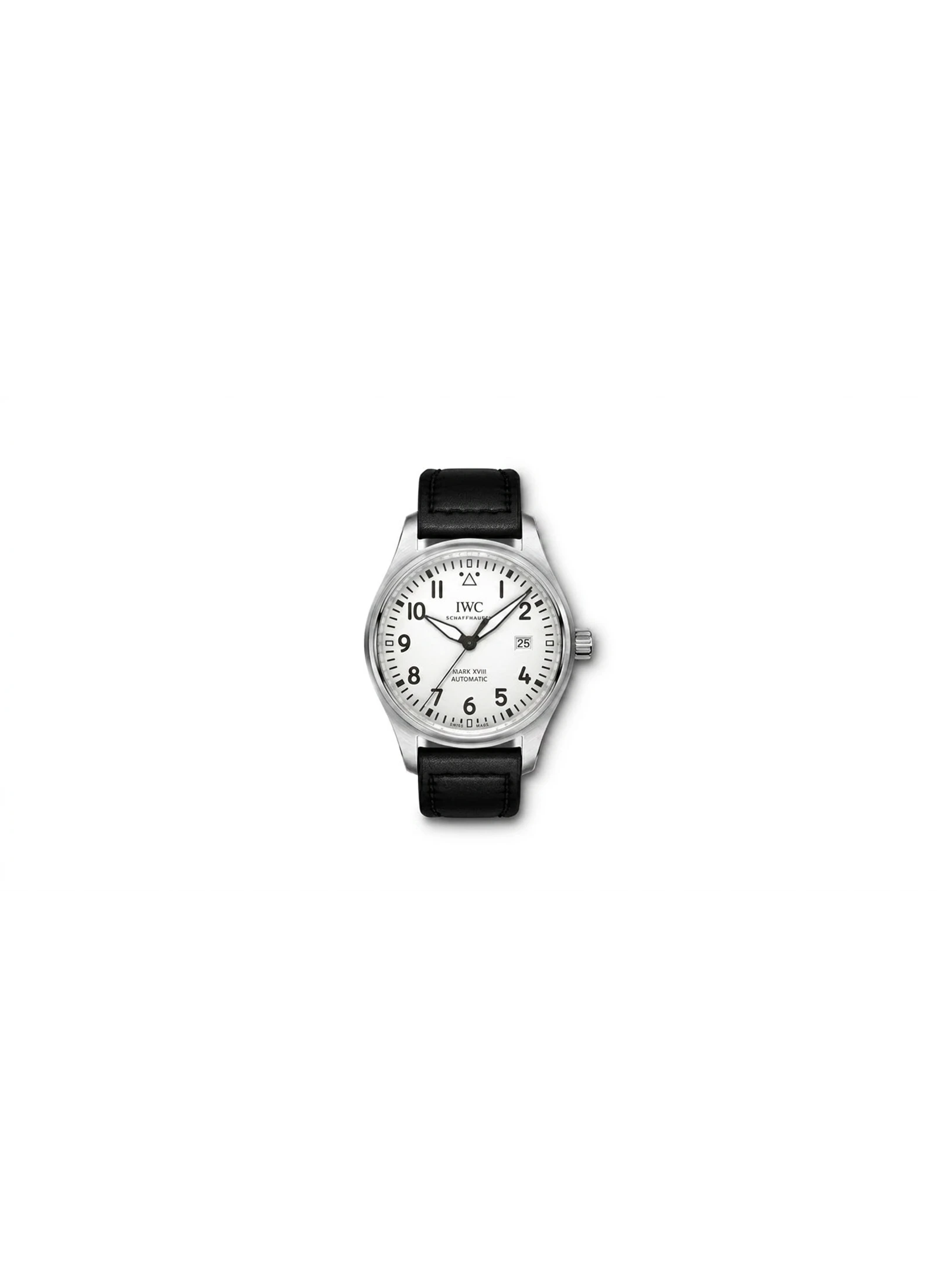
Mark XVIII pulled the series back toward quiet utility: 40 mm, time and date, high contrast, anti-magnetic architecture, and a clearer link to the Mark 11. Editions like Heritage and Tribute to Mark XI made the archival connection explicit.
The archive becomes a contemporary product language
The Tribute to Mark XI and later special editions showed that collectors did not only want pilot-watch styling; they wanted IWC to acknowledge the specific Mark 11 grammar. The archive became a design contract.
Mark XX is a quiet but meaningful upgrade: 40 mm case, calibre 32111, 120-hour power reserve, stronger water resistance, EasX-CHANGE straps and bracelets, and black, blue, and green dial options. It keeps the Mark premise simple while making the ownership experience more modern.
The Pilot Mark story is different from many luxury-watch stories because it begins with a brief, not a lifestyle mood. The Mark 11 was made for RAF navigation work: easy to read, accurate, robust, reliable, serviceable, and protected from magnetic fields.
That is why so many later Marks look almost stubbornly plain. The design is not trying to entertain the wrist. It is trying to remove doubt from the wrist.
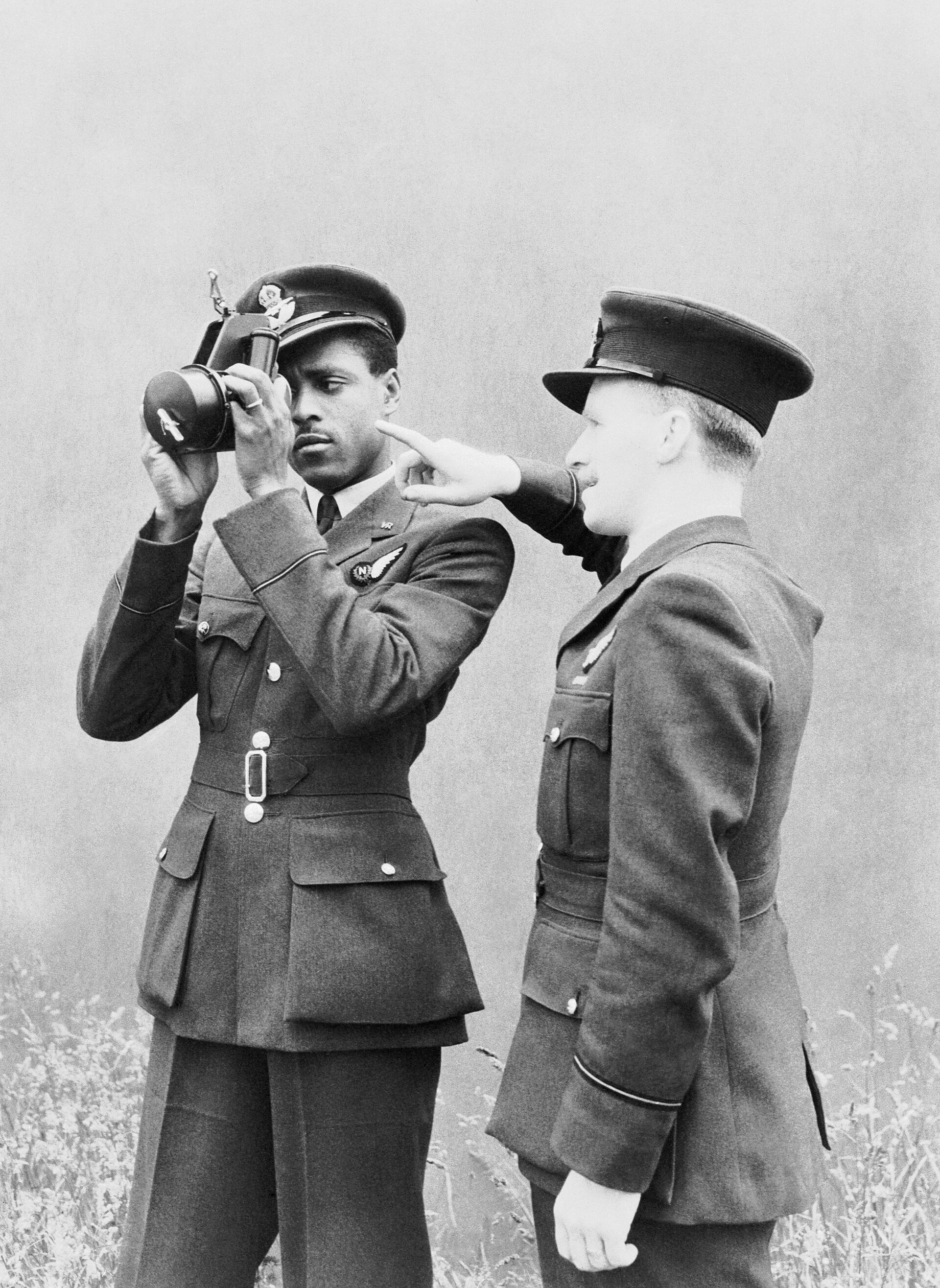
A wartime RAF navigation training image grounds the Mark story in instrument reading, orientation, and cockpit work rather than generic pilot-watch nostalgia. No. 11 OTU, Royal Air Force official photographer / Wikimedia Commons - Public domain
The Mark 11's soft-iron inner protection is usually described as a technical solution, and it was. But it also explains the spirit of the whole line: the best feature is the one that lets the watch disappear into reliable use.
In a Mark watch, romance comes from restraint. Black dial, white numerals, triangle at 12, minutes that read instantly, a case that does not need to brag. The watch earns feeling by refusing decoration.
A cleared catalog visual of Pilot Mark anchors this chapter to a specific watch reference.
Mark XII made the military idea wearable every day
The 1994 Mark XII is the hinge of the story. IWC took the Mark 11's visual discipline and made a civilian automatic watch with a date. That move sounds small, but it changed the audience completely.
The Mark XII is also where the lineage becomes a family rather than a single military artifact. From this point, each Mark would be judged by how well it preserved the old purpose while adapting to modern wrists.
Skipping XIII and XIV turned superstition into sequence
IWC did not follow Mark XII with XIII or XIV. The Mark XV arrived in 1999, and the skipped numbers became a small but memorable piece of the series' lore.
More importantly, the Mark XV made the watch feel less like a tribute and more like a product with its own present-tense life. At 38 mm, it kept the restrained formula but adjusted the proportions for the late-1990s wrist.
A cleared catalog visual of Pilot Mark anchors this chapter to a specific watch reference.
Mark XVI aligned the watch with modern IWC Pilot design
Mark XVI is where some collectors feel the line became more modern and less directly Mark 11. The case grew, the dial changed, and the hands and typography connected more clearly to IWC's larger Pilot's Watch language.
That tension is useful. A family that never changes becomes museum furniture; a family that changes too much loses its reason. Mark XVI sits right on that fault line.
A cleared catalog visual of Pilot Mark anchors this chapter to a specific watch reference.
The Mark XVII pushed the mainline watch to 41 mm and made the date display more instrument-like. It is not the quietest Mark, and that is why it matters.
The experiment shows how delicate the original Mark formula is. Legibility can become busyness, presence can become size, and a tool-watch dial can start to feel designed rather than inevitable.
A cleared catalog visual of Pilot Mark anchors this chapter to a specific watch reference.
Mark XVIII did what the series often does best: it corrected by subtraction. The 40 mm case was modern but not huge, the dial was calmer, and the watch returned to the idea of a compact time-and-date pilot watch reduced to essentials.
The many Mark XVIII editions reveal how elastic that basic design had become. Le Petit Prince, Heritage, bracelet, black dial, blue dial, textile strap, and Tribute to Mark XI all orbit the same central idea.
The Tribute to Mark XI proved the archive still had authority
The 2017 Tribute to Mark XI was limited to 1,948 pieces, a direct wink to the original year. It changed small things that collectors notice: thinner indices, a 12 o'clock triangle without flanking dots, green textile strap, and hands closer to the old instrument.
It worked because it was not just retro styling. It admitted that the Mark 11 was still the measuring stick, even when the modern watch had a date, sapphire, water resistance, and a contemporary automatic movement.
The Mark XX did not need to look radically new. Its important changes are practical: calibre 32111, five-day power reserve, 10 bar water resistance, better strap and bracelet interchangeability, and a 40 mm case that preserves the line's balance.
That makes it a very Mark kind of update. The story began with a watch that was useful because it was disciplined. Mark XX keeps the discipline and improves the parts of ownership you notice after the romance fades.